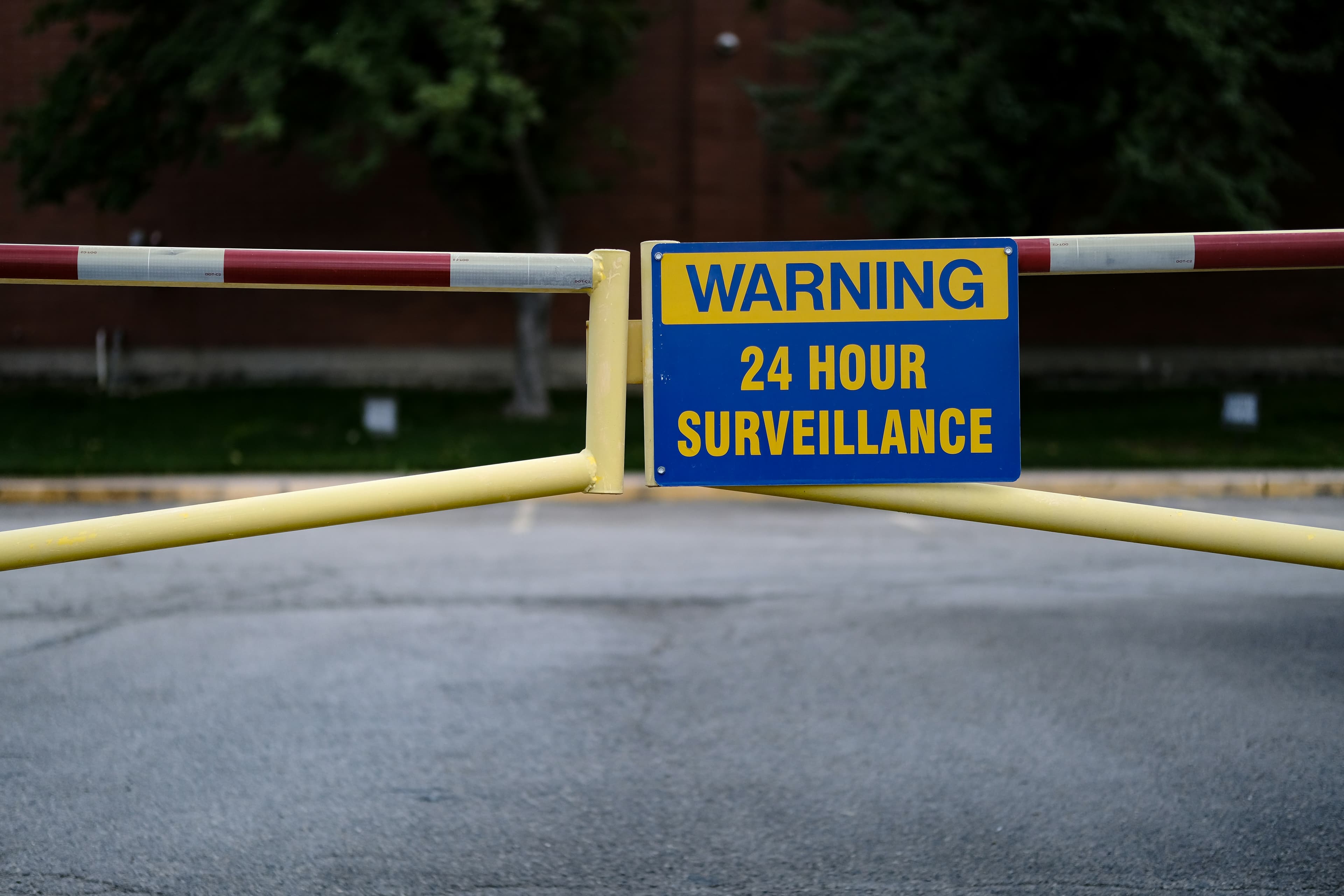
Digital identity is often discussed in terms of access, verification, and compliance. Who can log in? Who is eligible? Who meets the requirements? These are practical concerns, and they matter.
Even so, beneath them sits a more fundamental question that is rarely addressed: Who owns the identity?
In most current systems, users are missing ownership. Platforms, institutions, or governments create, store, and control identity. People have access only to versions of themselves held elsewhere, managed by systems they do not control or challenge.
When identity functions this way, it ceases to be an instrument of empowerment and becomes a mechanism for observation.
Identity without ownership creates visibility without agency. Actions are tracked. Behaviour is profiled. Access is granted or denied. Decisions are made about people without their insight or control over how those decisions are made.
At scale, this is indistinguishable from surveillance.
Surveillance does not need malicious intent. It does not need constant monitoring or authoritarian enforcement. It happens when identity systems are built to observe rather than serve. They record rather than prove. They persist rather than minimise.
The problem is not that systems know, but that they know too much, for too long, and that individuals cannot intervene.
Introducing ownership changes this situation. So far, we have seen how a lack of control leads to surveillance. But what happens when people regain control?
When individuals control their credentials, choose what to reveal, and participate without leaving permanent records, identity becomes contextual rather than absolute. Proof replaces possession. Verification replaces storage. Exposure becomes the exception, not the rule.
This distinction matters because identity is not static. It intersects employment, finance, healthcare, expression, and movement. When control is external, those systems shape more than access. They shape opportunity.
History shows that systems designed for administration tend to drift toward enforcement. Data collected for convenience becomes data used for control. An identity created to simplify interaction becomes an identity used to rank, restrict, or exclude.
None of this needs bad actors—only a system that prizes visibility over autonomy.
This is why calls for digital identity that ignore ownership are incomplete. A credential that cannot be withheld is not empowering. An identity that cannot be selectively revealed is not protective. A system that needs constant disclosure is not trustworthy.
Ownership does not erase rules. It means rules can be enforced without demanding permanent self-surrender. It lets people participate digitally without constant mapping, scoring, or tracking.
If digital identity is to work in a free and open society, ownership cannot be optional. Without it, identity systems will always trend toward surveillance, no matter how benevolent their original purpose.
The future of digital identity is not greater visibility. It is enabling proof without loss of self-control.